

Understanding the Small Ground Rail Circular Spray Painting Line
For many overseas buyers and factory managers, scaling up production without moving to a massive facility is a constant challenge. A small ground rail circular spray painting line is an engineered solution designed specifically for this scenario. Unlike traditional overhead conveyors or straight-line spray booths, this system utilizes a floor-mounted track to transport workpieces in a continuous, closed-loop circuit. It is the go-to choice for manufacturers dealing with small to medium-sized parts such as cosmetic bottles, door handles, electronic housings, and automotive trim.
The core concept revolves around maximizing efficiency in minimal space. The "circular" design allows the loading, spraying, curing, and unloading zones to be integrated into a compact footprint, often as small as 10–15 square meters. This makes it an ideal compact floor rail spray line for workshops with limited real estate. By keeping the conveyor at floor level, it simplifies maintenance and reduces the structural requirements of your factory ceiling compared to overhead systems.
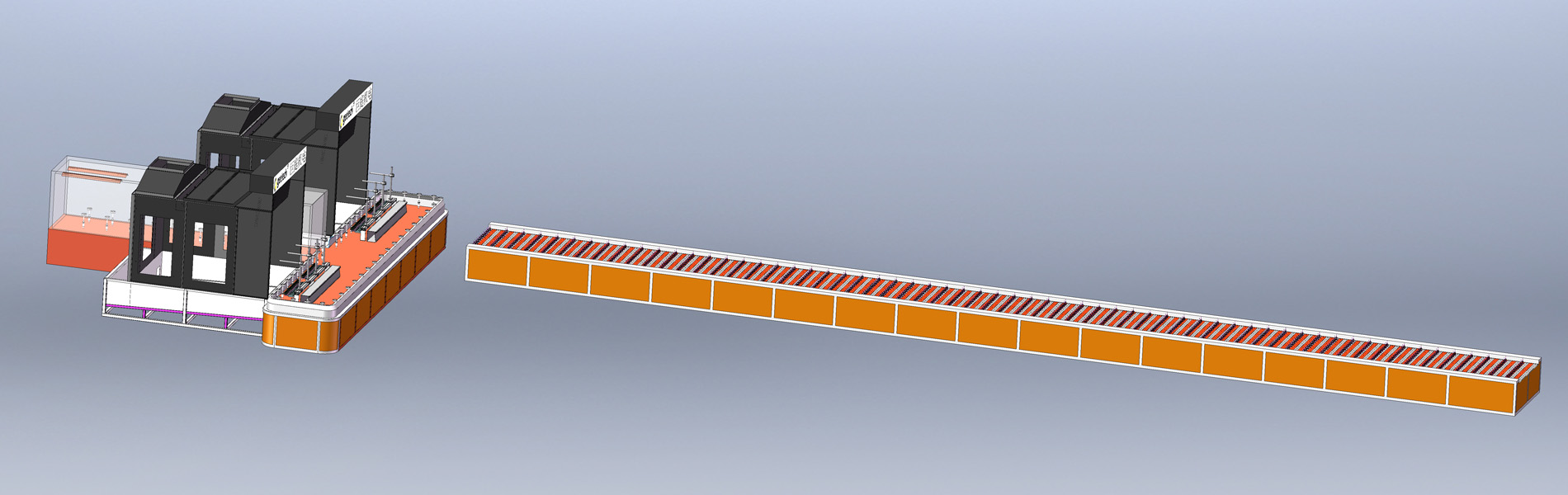
How the Ground Rail Conveyor System Works
The operational logic of a ground rail conveyor painting line is straightforward yet highly effective. The process begins at the loading station, where operators place parts onto custom fixtures mounted on rail-guided carts (or "trolleys"). These carts move along a predefined circular path driven by a variable frequency drive, ensuring smooth acceleration and deceleration.
As the carts enter the spray booth, the parts typically rotate (index) to ensure 360-degree coverage. Depending on the configuration, painting is executed by high-efficiency electrostatic spray guns, reciprocating sprayers, or fully automated 6-axis robots. Following the spray booth, the parts enter a flash-off zone and then a curing oven—either hot air circulation or infrared—to solidify the coating. Finally, the loop brings the finished products back to the operator for unloading, completing the cycle.
Key Advantages for Small Batch Production
Why are more factories switching to a circular spray coating system? The primary driver is the optimization of labor and materials. In a manual batch system, workers spend significant time moving parts in and out of the booth. With a ground rail loop, the workflow is continuous. One or two operators can manage the entire process, drastically reducing labor costs while increasing output consistency.
Another critical benefit is paint savings. Most of these lines are equipped with electrostatic spray technology, which improves transfer efficiency. Instead of paint particles floating away, they are magnetically attracted to the grounded workpiece. This not only reduces overspray and waste but also ensures a thinner, more uniform film build. For businesses looking into a sustainable future, the enclosed nature of the booth makes it easier to integrate VOC abatement equipment, such as activated carbon filters or RCO systems, ensuring compliance with environmental regulations in the EU and North America.
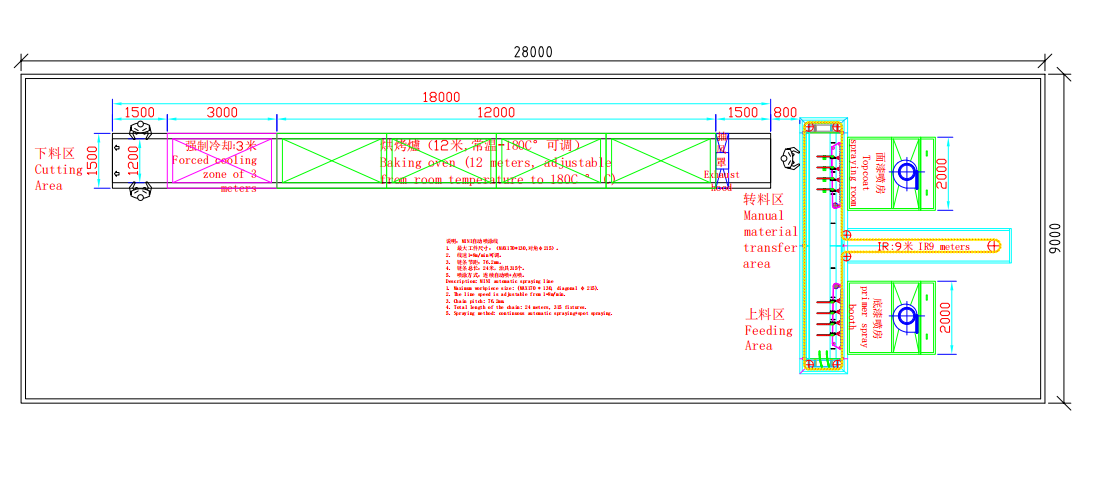
Flexibility and Compatibility
A common misconception is that an автоматическая линия окраски распылением lacks flexibility. Modern ground rail systems are designed for versatility. They can handle a wide range of substrates, including plastics (ABS, PC), metals (aluminum, steel, zinc alloy), and composites. Whether you are applying solvent-based paints, water-based coatings, or UV-curable finishes, the line parameters—such as conveyor speed, oven temperature, and spray gun triggering—can be digitally adjusted via a PLC touchscreen interface.
This adaptability makes the small batch spray painting equipment particularly valuable for contract manufacturers or businesses with diverse product catalogs. Changeovers between different part sizes or colors can be managed efficiently, especially when using quick-change fixtures and dedicated paint supply systems.
Is This the Right System for Your Factory?
When evaluating if a small ground rail circular spray painting line fits your needs, consider your daily output targets and part dimensions. If your parts fit within a 400x400mm envelope and you require production volumes between 800 to 3,000 pieces per day, this system offers the perfect balance of automation and affordability. It bridges the gap between manual spray booths and large-scale automotive assembly lines.
Furthermore, the installation requirements are relatively modest. Most systems require a standard 380V/50Hz power supply (or 220V/60Hz for North America), a compressed air source, and a level concrete floor. Because the system is modular, it can often be installed and commissioned within a week, minimizing downtime for your existing operations.
Conclusion: A Smart Investment in Automation
Investing in a compact floor rail spray line is more than just buying a machine; it is upgrading your production methodology. It provides a predictable, repeatable process that enhances product quality, reduces waste, and ensures a safer working environment for your staff. For overseas buyers seeking a reliable, CE-certified solution that delivers a rapid return on investment, the ground rail circular spray painting line represents one of the most efficient technologies available today.
Ready to explore how this system can transform your coating process? Contact our engineering team to discuss your specific part requirements and receive a customized layout proposal.