

Vacuum Coating Line vs. Electroplating Line Solution Comparison
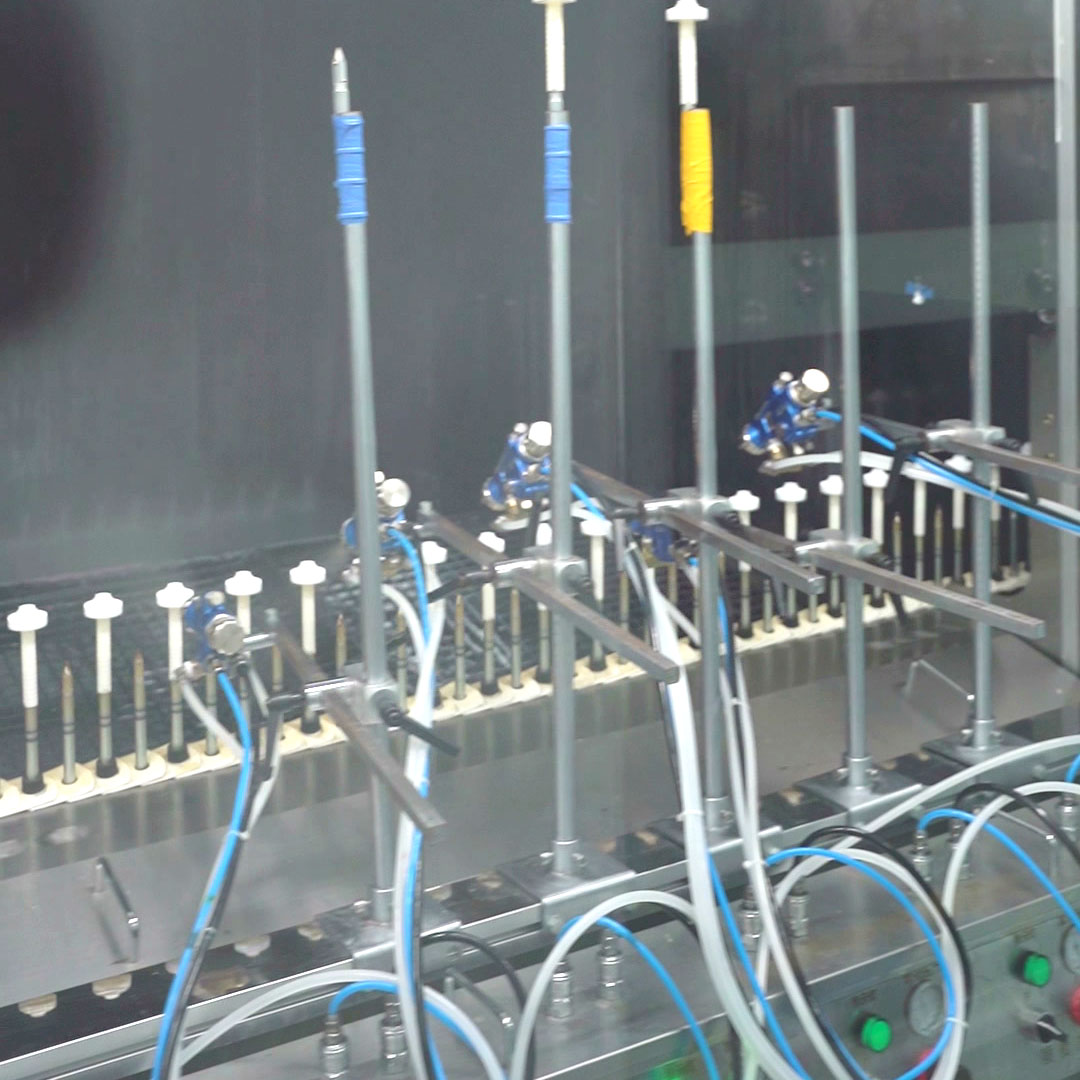
This solution compares dry-process vacuum coating with wet-process electroplating. Electroplating uses aqueous chemistry (Cr, Ni, Cu) and requires conductive substrates and wastewater treatment. Vacuum coating uses PVD/NCVM in a high-vacuum environment, applicable to plastics, glass, and metals, with low VOC emissions. It is the preferred solution for 3C electronics and automotive trim, offering non-conductive metallic finishes without environmental liabilities.
5 Critical Considerations for Your Solution:
1. Substrate Conductivity: Electroplating requires it; vacuum coating does not.
2. Environmental Compliance: Vacuum coating is dry; electroplating needs wastewater treatment.
3. Finish Type: Electroplating for pure metal; vacuum for metallic aesthetics and NCVM.
4. Durability: Electroplating is harder; vacuum coatings rely on topcoats.
5. Cost: Electroplating has lower CAPEX but higher OPEX (waste, chemicals).
Geetech (Dongguan Geetech Electrical-Mechanical Equipment Co., Ltd.) focuses on dry-process vacuum coating solutions, helping clients transition from traditional electroplating to more sustainable PVD/NCVM technologies. Our lines are CE-compliant and designed for export-oriented factories serving EU and US markets.
Why Choose Geetech Solution:
1. Eco-friendly alternative to traditional electroplating processes.
2. Expertise in NCVM for signal-friendly 3C component finishes.
3. Reduced regulatory compliance burden regarding chemical waste.
4. Superior aesthetic versatility (colors, gloss levels, textures).
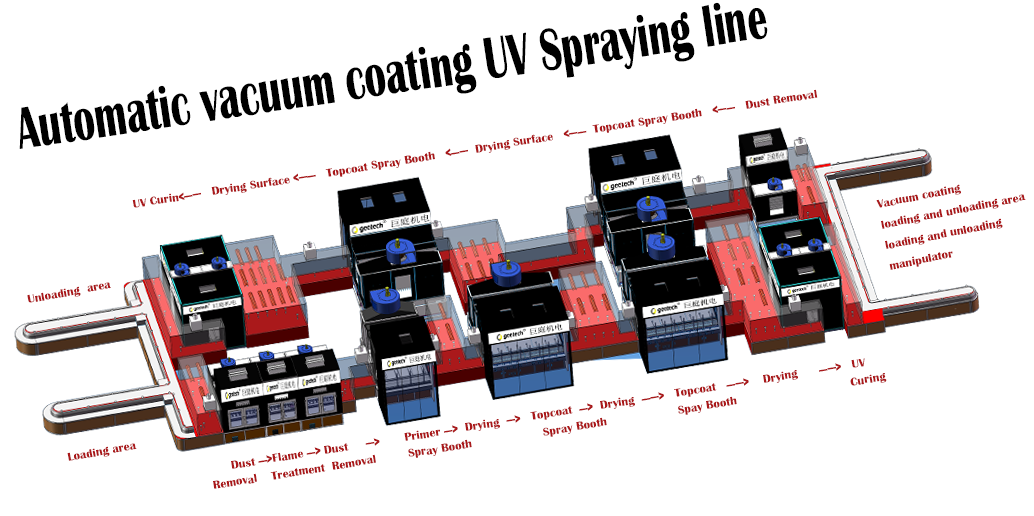
5. Integrated systems that combine priming, metallizing, and topcoating.